Featured

)
The Of Questions to Ask a Avoid Spending Money You Don’t Have This Holiday Season : APFSC Provider
Table of Contents
That liberates cash in the brief term, and you might have 3 to four years to conserve toward the settlement amount. Really harmful to credit report ratings, primarily due to missed out on repayments and a negative "resolved" mark that could remain on your credit report for up to 7 yearsMay be only option if various other choices (debt combination, equilibrium transfer credit cards, debt forgiveness) aren't possibleTypically needs a fee to the 3rd party, which might counter some or all of the cost savings from financial debt settlementMay aid you stay clear of personal bankruptcy if you've missed numerous paymentsNot all creditors work with financial debt negotiation companies Debt forgiveness might be ideal for you if you are experiencing a financial challenge that makes it virtually difficult to pay down your financial debt equilibriums.

With a DMP, you make one month-to-month payment to the credit rating counseling agency. Those funds are then dispersed to creditors of your unsafe debts, such as bank card and installment financings. The agency works with your financial institutions to decrease passion rates or waive charges, however some lenders might refuse such giving ins.
It can aid you pay down financial obligation if you're able to safeguard a finance rate that's lower than the ordinary price of the accounts you're settling. You need to refrain from racking up financial debt on those recently removed accounts or your financial debt can grow even greater.
That offers you lots of time to remove or dramatically reduce your equilibrium while making interest-free repayments.
Developing a Sustainable Budget for Lasting Stability Things To Know Before You Get This
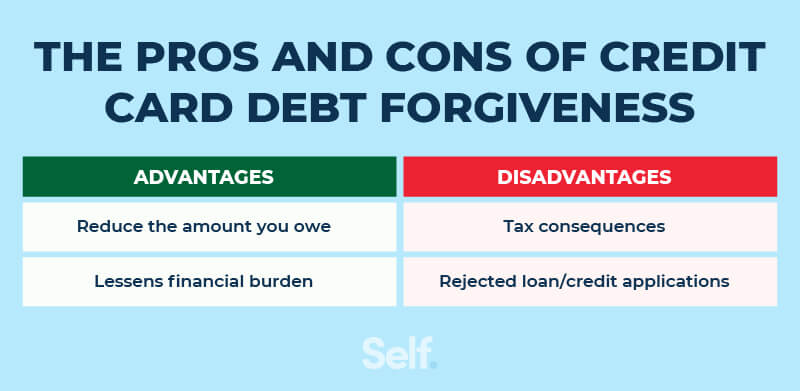
You may need it if your financial institution or a collection company ever before attempts to accumulate on the financial debt in the future. The letter can prove you don't owe what the debt collection agency's records reveal. Yes, in many cases, the internal revenue service thinks about forgiven financial obligation as taxed revenue. When a lender forgives $600 or more, they are required to send you Form 1099-C.
Financial obligation mercy or negotiation generally injures your debt. Anytime you work out a debt for less than you owe, it may look like "resolved" on your credit history report and impact your credit history for seven years from the date of settlement. Your credit score can additionally drop considerably in the months bring about the forgiveness if you fall behind on repayments.
Understanding Financial Fresh Starts and How It Works Fundamentals Explained
This scenario often results from underreporting earnings, not submitting returns on time, or discrepancies discovered throughout an IRS audit. The effects of gathering tax financial obligation are major and can consist of tax obligation liens, which give the Internal revenue service a legal case to your property as safety and security for the debt.
Wages and Bank Accounts Internal revenue service can impose (take) incomes and financial institution accounts to please the debt. Residential property Seizure In extreme instances, the Internal revenue service can seize and offer building to cover the debt.
Social Preconception Dealing with lawful action from the IRS can carry social stigma. Work Opportunities A poor credit scores score due to strain financial obligation can limit work possibilities. Government Benefits Tax obligation debt might impact eligibility for government benefits, such as Social Security and Medicaid.
The Ultimate Guide To Understanding Avoid Spending Money You Don’t Have This Holiday Season : APFSC in Today's Economy
The OIC considers a number of elements, including the taxpayer's revenue, costs, possession equity, and capability to pay. Efficiently bargaining an OIC can be complex, calling for a thorough understanding of the internal revenue service's guidelines and a strong disagreement for why your offer lines up with your capability to pay. It is necessary to note that not all applications are accepted, and the procedure calls for in-depth economic disclosure.
The IRS assesses your total monetary scenario, including your income, costs, asset equity, and capability to pay. You should also be existing with all declaring and payment demands and not remain in an open insolvency proceeding. The internal revenue service also considers your conformity background, reviewing whether you have a document of prompt declaring and paying tax obligations in previous years.
Getting The Free Accessible Debt Counseling Materials Offered to You To Work
The application procedure for an Offer in Concession involves a number of comprehensive actions. You need to complete and send Internal revenue service Kind 656, the Deal in Compromise application, and Form 433-A (OIC), a collection information declaration for individuals. These types need detailed monetary details, consisting of information regarding your earnings, financial obligations, expenses, and assets.
Back taxes, which are unpaid tax obligations from previous years, can considerably raise your complete internal revenue service debt if not resolved without delay. This debt can build up interest and late repayment fines, making the initial amount owed a lot bigger in time. Failure to pay back taxes can lead to the internal revenue service taking enforcement actions, such as issuing a tax lien or levy versus your residential or commercial property.
It is important to address back taxes asap, either by paying the full amount owed or by setting up a layaway plan with the internal revenue service. By taking positive actions, you can stay clear of the buildup of extra rate of interest and fines, and stop much more hostile collection activities by the IRS.
One typical factor is the idea that the taxpayer can pay the full quantity either as a lump amount or via a payment plan. The internal revenue service additionally thinks about the taxpayer's earnings, expenses, asset equity, and future earning capacity. If these elements suggest that the taxpayer can pay for to pay even more than the offered quantity, the internal revenue service is most likely to turn down the offer.
Top Guidelines Of Why Denying to Seek Bankruptcy Counseling Will Cost You
It is essential to give accurate and total information in your application and to seek advice from a tax specialist to boost the opportunities of acceptance. Managing internal revenue service financial debt can be complicated and difficult. Tax specialists, such as Certified public accountants, tax lawyers, or enrolled agents, can give important assistance. They have the know-how to browse the ins and outs of tax legislation and internal revenue service procedures.

Table of Contents
Latest Posts

The Single Strategy To Use For Real Experiences from People Who Found Peace of Mind
Little Known Questions About Economic Uncertainty Impacting Growing Need for Why Low-Interest Loans Are a Lifeline for Veterans Navigating Civilian Life.

Evaluating APFSC in the Industry for Dummies
More
Latest Posts
The Single Strategy To Use For Real Experiences from People Who Found Peace of Mind
Evaluating APFSC in the Industry for Dummies